September 2, 2026
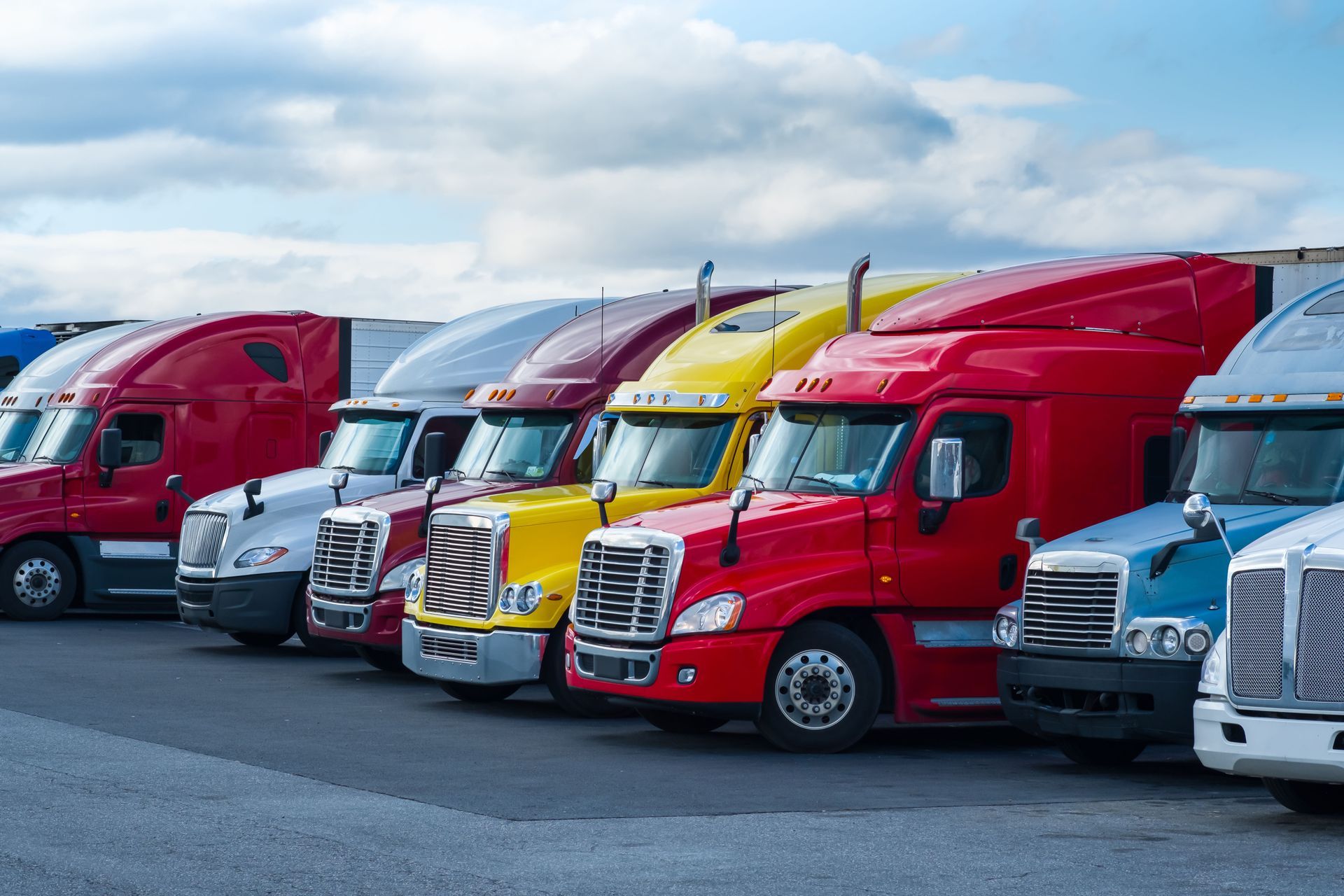
Expanding or upgrading a commercial fleet represents a major strategic choice that directly impacts capital reserves, ongoing operational costs, and overall logistics productivity. Business leaders evaluating transportation assets must carefully weigh initial upfront expenditure against long-term mechanical reliability, warranty protections, and predictable operating budgets. Selecting the right combination of fresh factory models or pre-owned assets requires a thorough analysis of overall ownership expenditures, anticipated fleet routes, and predictable maintenance demands. Each purchasing path offers distinct financial trade-offs, ranging from immediate balance sheet savings to enhanced fuel economy standards. By examining capital constraints, operational requirements, and vehicle availability, fleet managers can make informed decisions that maximize long-term profitability while keeping heavy machinery active on public roadways.
Evaluating Initial Acquisition Capital
Acquiring new commercial machinery demands a substantial financial outlay that can restrict cash flow for expanding transportation companies. Brand-new equipment arrives with pristine components, comprehensive manufacturer coverage, and maximum useful lifespan, but the immediate purchase price or monthly lease obligations remain significant. For growing enterprises managing tight operational budgets, committing extensive capital toward upfront asset acquisition limits financial flexibility needed for driver payroll, fuel reserves, and facility expansion. Conversely, pre-owned machinery features a far lower initial purchase price, allowing fleet managers to secure necessary hauling capacity without overextending credit lines or liquid financial reserves.
The lower initial price point of pre-owned assets enables commercial carriers to purchase multiple hauling units for the price of an individual fresh factory model. This affordability allows logistics operators to expand fleet capacity rapidly and respond to emerging customer delivery contracts without incurring overwhelming debt. However, lower upfront investment often comes with unknown historical operational stresses and accelerated component wear. Fleet owners selecting pre-owned machinery must anticipate prospective operational costs, budgeting necessary funds for regular maintenance and potential tractor trailer repairs to preserve vehicle safety and roadside compliance. Balancing immediate capital savings against potential maintenance expenditures remains essential when calculating real asset value.
Assessing Depreciation Rate Impact
Asset depreciation represents a major hidden expense in commercial transportation management, silently impacting overall balance sheet value over time. Fresh factory equipment experiences its most rapid valuation decline during initial deployment, losing a significant percentage of market value within early operating cycles. For companies prioritizing asset liquidity or planning frequent inventory turnover, steep early depreciation creates financial exposure if machinery must be liquidated unexpectedly. Fleet operators financing fresh equipment must recognize that loan balances can temporarily exceed current market valuations during initial deployment periods.
Pre-owned commercial machinery has already absorbed that steep initial valuation drop, resulting in far more stable asset value retention over continuous operation. When pre-owned equipment receives consistent preventive maintenance and timely tractor trailer repairs, it maintains predictable secondary market value for subsequent resale or trade. This valuation stability provides financial predictability, allowing logistics businesses to calculate precise fleet depreciation schedules without severe valuation drops. Managing secondary market value through proactive upkeep ensures that pre-owned assets remain viable financial components of long-term operational strategy.
Analyzing Operational Maintenance Expenses
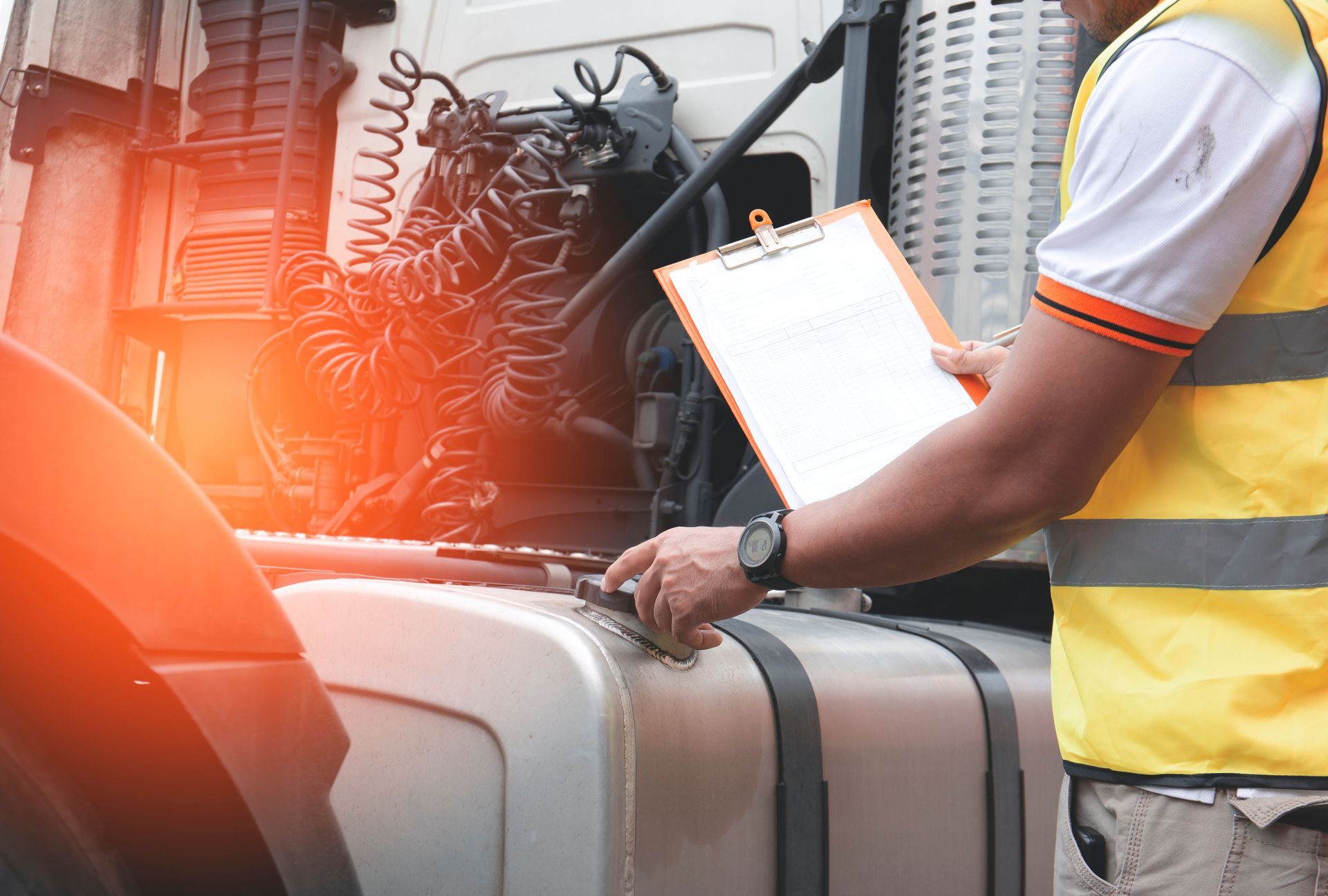
Maintenance demands represent a primary operational differentiator when choosing between fresh factory inventory and pre-owned machinery. Brand-new equipment features no historical operational wear, delivering predictable performance, minimal mechanical failure risks, and comprehensive factory warranty coverage. When unexpected mechanical issues emerge on fresh machinery, warranty protections absorb financial liabilities, preserving operating margins. Conversely, pre-owned units require heightened mechanical vigilance, as worn components naturally demand more frequent tractor trailer repairs over extended service cycles.
Managing pre-owned machinery requires established relationships with dependable service technicians capable of managing unexpected mechanical issues efficiently. According to Gitnux, about 72% of commercial truck owners prefer local, independent repair shops over major OEM corporate dealerships. Partnering with skilled independent technicians ensures rapid turnaround times, accessible component replacement, and cost-effective solutions for recurring tractor trailer repairs. Establishing proactive maintenance protocols helps fleet operators minimize unscheduled shop visits, control operational expenses, and maintain continuous delivery schedules regardless of asset age.
Examining Advanced Technology Integration
Modern commercial vehicles incorporate sophisticated technological enhancements designed to maximize fuel efficiency, enhance driver comfort, and improve highway safety. Fresh factory inventory comes equipped with advanced driver assistance systems, automated braking, lane guidance, and integrated fleet telematics. These technological integrations reduce fuel consumption, lower carbon emissions, and enhance overall fleet safety profiles during long-distance haulage. For enterprises operating extensive long haul routes where fuel consumption represents a major operating cost, investing in advanced technology offers measurable financial returns.
While older commercial inventory lacks cutting-edge factory features, many pre-owned vehicles can be retrofitted with aftermarket telematics and safety hardware. Upgrading pre-owned equipment allows fleet managers to access valuable operational data without paying premium factory pricing. However, legacy mechanical systems may still require specialized attention and specialized tractor trailer repairs to keep diagnostic sensors and engine control modules performing accurately. Evaluating whether technological advancements justify higher initial capital expenditure remains a vital consideration for modern logistics managers.
Considering Ongoing Fleet Downtime
Unscheduled vehicle downtime severely threatens logistics profitability, causing missed delivery deadlines, strained customer relationships, and lost revenue opportunities. Fresh commercial equipment offers maximum operational availability, minimizing unexpected mechanical failures and keeping drivers on schedule. The peace of mind provided by brand-new machinery allows transportation managers to accept high-priority contracts with tight delivery windows, confident that equipment failure will not disrupt commitments. High operational availability directly supports steady revenue generation and long-term client retention.
Pre-owned machinery carries an inherently higher risk of unscheduled mechanical downtime due to accumulated component wear and historical usage. When older equipment breaks down unexpectedly on transit corridors, the resulting towing expenses, emergency labor fees, and urgent tractor trailer repairs can rapidly erode profit margins. Fleet managers operating pre-owned equipment must establish contingency plans, maintain secondary backup vehicles, and partner with responsive service facilities. Minimizing downtime through rigorous preventive maintenance ensures that pre-owned fleets maintain competitive delivery performance.
Planning Long Term Capital Allocation
Long term financial planning requires fleet executives to align asset acquisition strategies with broader business expansion goals and capital availability. Choosing fresh inventory preserves operational stability and simplifies financial projections through fixed warranty coverages and lower initial upkeep costs. However, higher monthly financing obligations consume substantial credit capacity, potentially limiting capital available for business acquisitions, technology upgrades, or facility expansion. Strategic managers must weigh fixed equipment financing against alternative capital investment opportunities across their enterprise.
Opting for pre-owned inventory frees up vital capital reserves, enabling commercial enterprises to reinvest savings into business expansion, driver retention programs, or operational infrastructure. Lower asset acquisition costs allow companies to scale fleet size faster, capturing larger market share within competitive logistics sectors. Maintaining a pre-owned fleet requires allocating saved capital into dedicated maintenance funds to cover routine tractor trailer repairs and component overhauls. Strategic financial management balances immediate savings against ongoing operational upkeep to secure sustainable, long-term business growth.
Selecting between fresh factory models and pre-owned commercial inventory ultimately depends on your financial objectives, operational demands, and risk management priorities. While fresh machinery provides maximum uptime, comprehensive warranty coverage, and modern technology, pre-owned assets offer lower upfront capital requirements, reduced depreciation exposure, and operational flexibility. Regardless of your fleet composition, establishing a strong partnership with a reliable mechanical service provider guarantees long-term asset performance and safety across every mile. To maintain peak operational reliability and secure dependable service for your commercial fleet, contact Lowbridge Truck & Trailer. We look forward to hearing from you!